
Saving Harley: A Chicken, a Mentor, and Three Eggs
Oct 03, 2025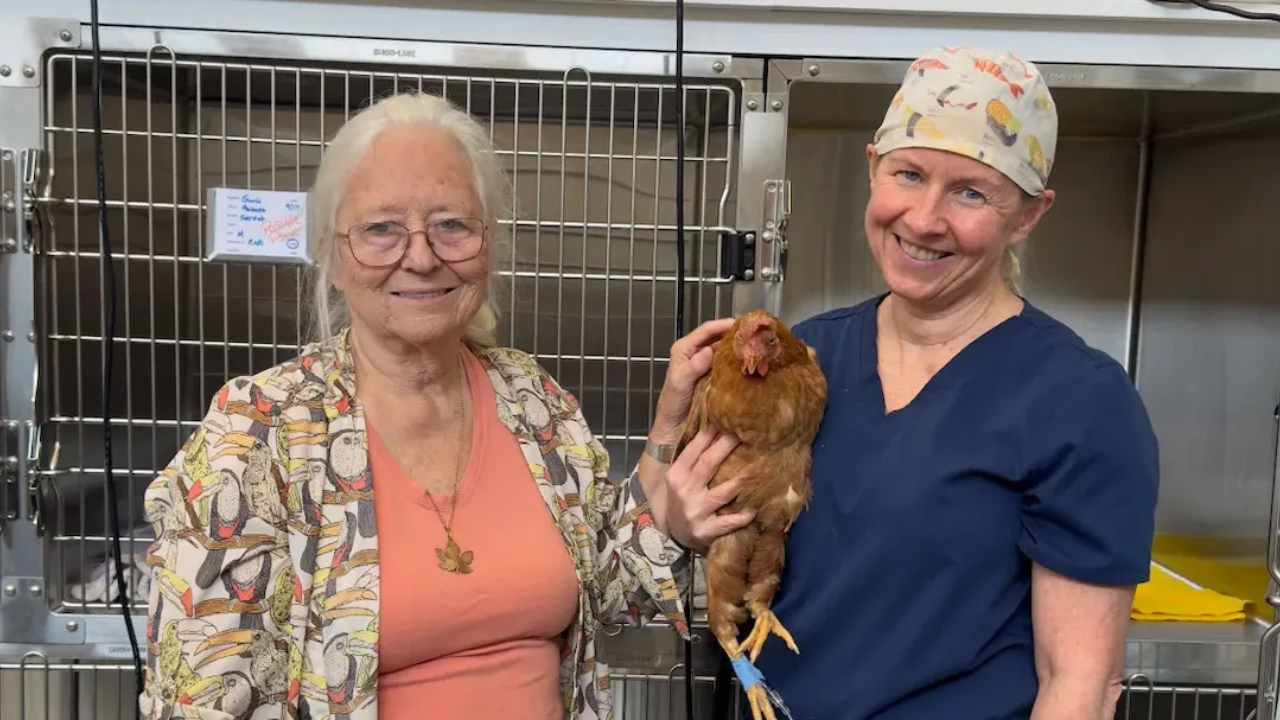
Originally published on The Conscious Vet Substack. Subscribe for weekly essays at theconsciousvet.substack.com.
It's not every day you get to save a chicken.
I count myself lucky to have a mentor like Dr. Alix Kilgore. A Tufts graduate, among the first women accepted into an all-male class, and the kind of veterinarian who said "yes" to iguanas, turtles, chickens, and all the species others turned away. For 25 years, she's been my personal ChatGPT before ChatGPT existed: steady, brilliant, and unflappable in a crisis.
Last week, we saved Harley.
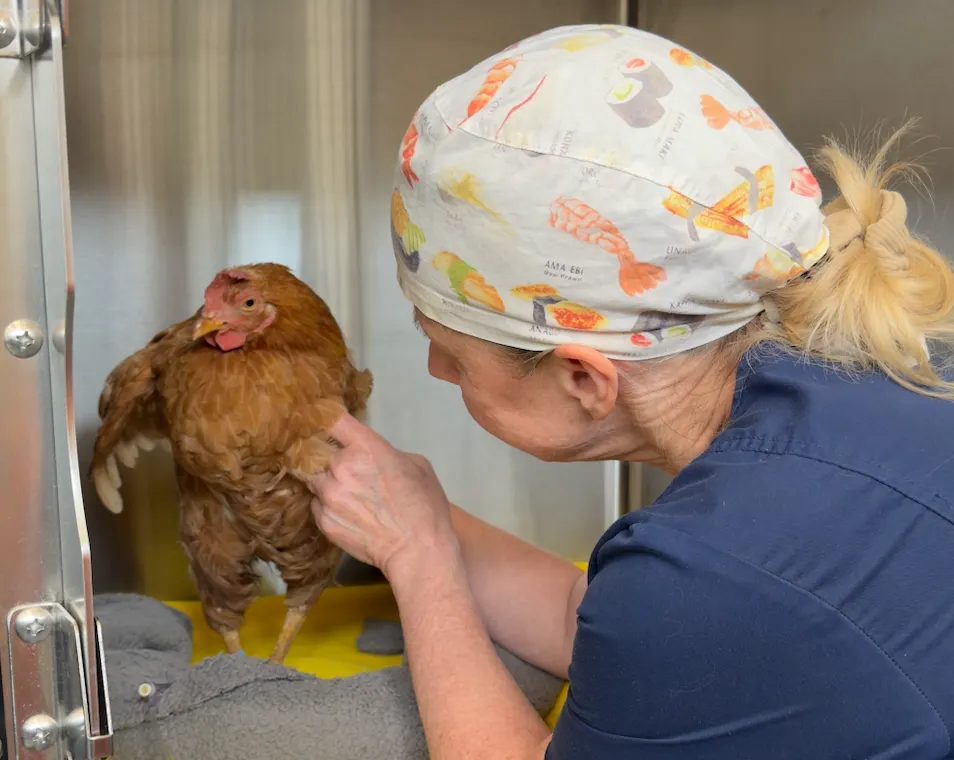
Harley's family noticed subtle changes: she wasn't herself, her crop felt fuller, and eggs weren't showing up in the nest box. In the exam room, I felt two firm masses low in her belly. Ultrasound confirmed what my fingers suspected: retained eggs, likely there for a while. In birds, that's serious. Chickens don't have much blood to spare, and retained eggs can cause adhesions, turning the abdomen into a thicket of sticky, fragile tissue. Surgery is sometimes the only way — and it's risky.
I've done a few of these. Dr. Kilgore has done many. She once removed seven eggs from a cockatiel. (Yes — seven. I know.) I called her, and she came.
Harley was a little dull that morning. Her bloodwork showed anemia, already running low on red cells, so we planned each step to protect every drop. We gave a calming premedication, placed an IV catheter in her leg for quick access if we needed it, then induced anesthesia and gently intubated her to protect her airway. We plucked and prepped her belly, warmed the table, and checked our monitoring again.
Inside, we found three retained eggs.
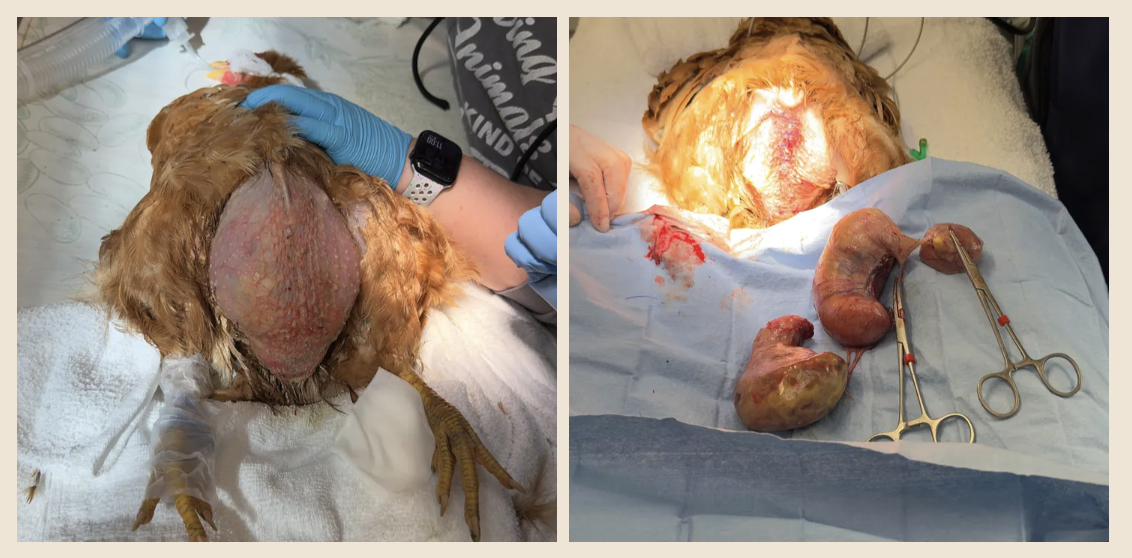
Together we worked slowly, breathing with the rhythm of the monitor, easing each egg free, watching for the tiniest ooze. Minimal bleeding. No surprises. One by one, the eggs came out. We closed, warmed, and waited. Fifteen minutes later, Harley stood up, then asked for corn like a queen reclaiming her throne. She went home the same day, eating with gusto. Dr. Kilgore and I high-fived in our surgery gowns, two very happy bird nerds.
Harley's family noticed early. They trusted their gut. They came back when things still weren't right. And when it got hard, they said yes to the plan. And that is how chickens get saved.
And mentors? They save us, too. Thank you, Alix, for showing me that great medicine is a team sport — and that no species is too small for a big effort.
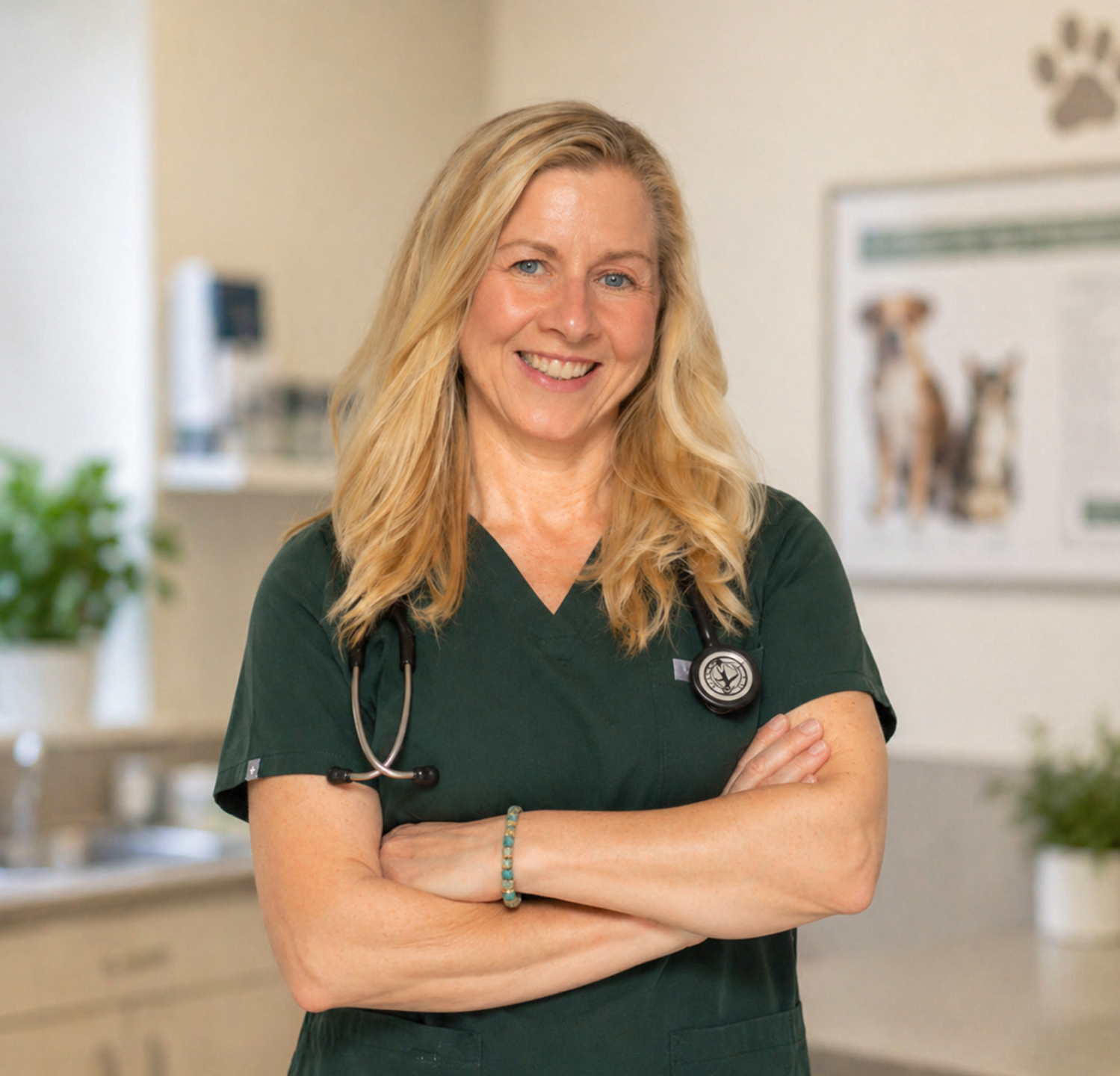
Dr. Melissa Magnuson, DVM
Dr. Melissa Magnuson is the founder of The Conscious Vet and owner of three AAHA-accredited veterinary hospitals in New Hampshire. With 28 years of experience caring for pets and the people who love them, she is passionate about helping pet owners better understand their animals, navigate difficult decisions, and feel more confident about their pet's health and well-being.
Want more stories like this? Subscribe to The Conscious Vet on Substack for weekly essays on pets, veterinary medicine, and the bond between animals and the people who love them.


