The Physical Exam Shortcut: How to Build Clinical Intuition Faster
Aug 18, 2026If you want to master this career, first you have to master the physical exam.
Not the perfect differential list. Not the client conversation. Not the treatment plan you build after you have already decided what is wrong.
The physical exam.
That is where clinical intuition starts.
Every veterinarian remembers the early days of practice: standing in front of a patient and knowing the steps of the exam, but not yet trusting what your hands are telling you. Does that lymph node feel normal? Is that heart murmur new? Is this dog thin, or just lean? Is this cat quiet because she is scared, sick, or simply a cat?
You do not get those answers from one lecture. You get them from repetition.
Why Seeing Patients Every Day Is Not Always Enough
A typical private-practice day may give you 10 to 15 patients. That is real experience, and it matters. But every appointment also asks you to do a dozen other things well: build trust with the client, take a history, explain what you are finding, talk about money, create a plan, document the case, answer the team’s questions, and move to the next room.
That is the work. It is also why it can take a long time to build the pure volume of physical examinations that creates real pattern recognition.
Clinical intuition is not a personality trait. It is not something a few lucky veterinarians are born with.
It is the result of touching enough normal animals that abnormal has nowhere to hide.
You need to listen to a lot of hearts. Palpate a lot of abdomens. Look in a lot of ears. Feel a lot of lymph nodes. You need to see enough body conditions, dental mouths, skin lesions, gait changes, and anxious animals that your brain starts sorting the information before you consciously realize it is doing so.
That takes thousands of repetitions.
The Shortcut Hiding in Plain Sight
Here is one of the fastest ways I know to get them: volunteer at a local animal shelter at least once a month.
A well-organized shelter day can give you 50 to 100 physical exams. You may touch, listen to, and evaluate more patients in one Saturday than you would normally see in two weeks of private practice.
That is not because shelter medicine is easier. It is not. Shelter medicine asks you to think about population health, infectious disease, animal behavior, safe handling, limited resources, and the realities of a system that is often doing more with less.
But it gives you volume.
And volume, when you use it well, changes you.
Do It in a Way That Helps the Shelter
Do not just walk into a shelter because you want practice. Call first. Ask what they need. Find out whether they work with a supervising veterinarian and what opportunities exist for you to contribute within their system.
The goal is not to create more work for an already stretched team. The goal is to be useful while you learn.
When you are there, use the same physical-exam sequence every time. What matters is that you are consistent enough to notice when something is missing.
If you hear something unusual, ask the supervising veterinarian to listen. If you are unsure whether an abdominal structure feels normal, ask someone more experienced to palpate it. If you are not certain, say so.
That is not weakness. That is how good clinicians get better.
The Exam Is a Conversation With the Patient
The most valuable thing about high-volume exam experience is not speed. It is that the exam stops feeling like a checklist.
You start to see the whole animal.
You notice how a stressed dog carries its body before you ever put a stethoscope on its chest. You notice the difference between a cat who is hiding and a cat who is painful. You recognize the soft changes that do not belong in a textbook but matter in a real exam room.
That is clinical intuition.
It is not guessing. It is a lifetime of patterns quietly becoming available when you need them.
Stop Waiting to Feel Ready
If you are early in your career and feel like you need more reps, you probably do. That is not an indictment of your education or your ability. It is the normal reality of becoming good at a hands-on profession.
Find a shelter. Commit to one Saturday a month. Put your hands on more patients. Ask questions. Let yourself be corrected.
Your physical exam will change.
And eventually, so will the way you walk into every room.
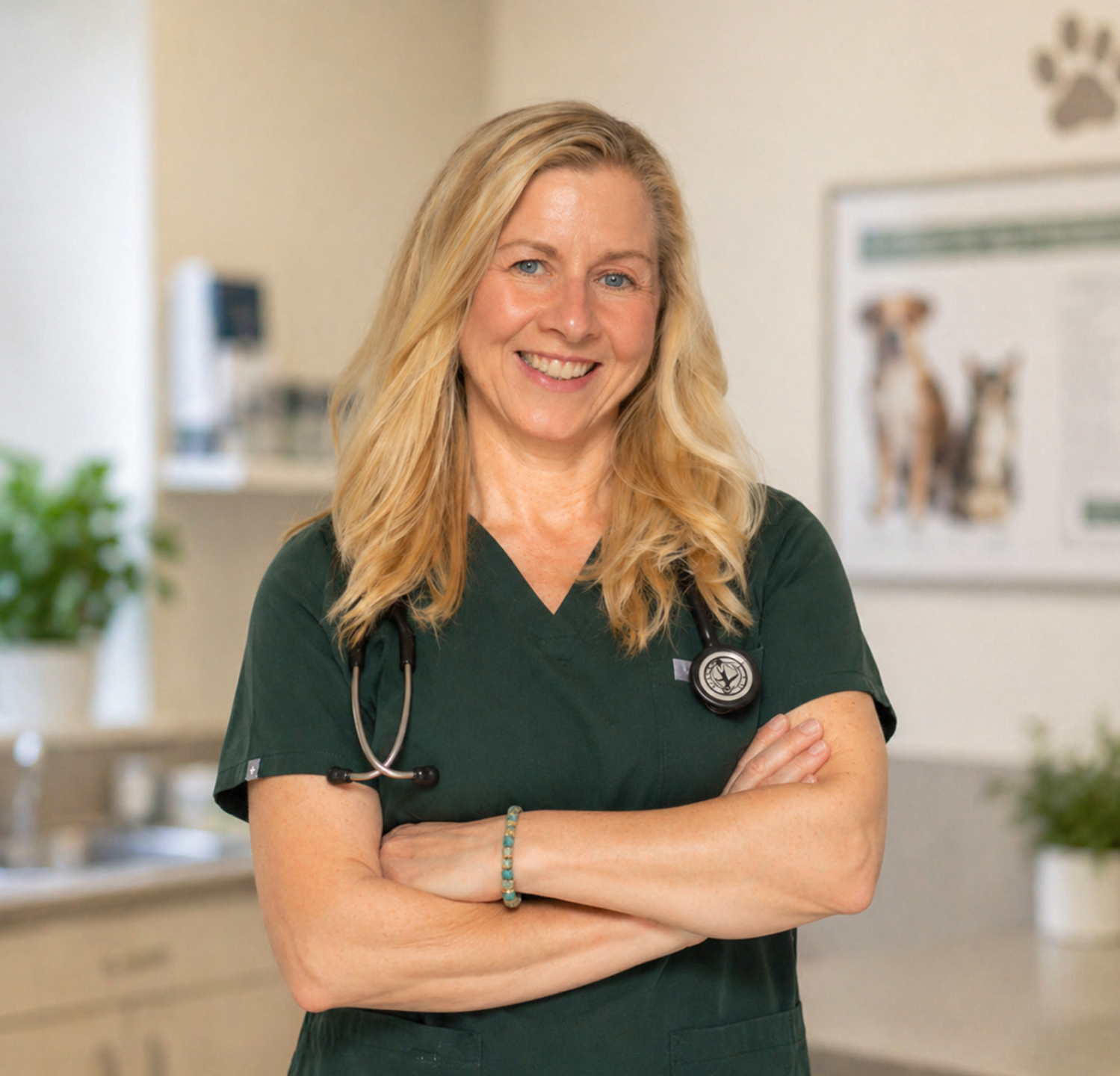
Dr. Melissa Magnuson, DVM
Founder of The Conscious Vet and Conscious Vet Pro, owner of three AAHA-accredited hospitals in New Hampshire, and creator of the Conscious Care™ system. A Director of AAHA and AVMA speaker, she has spent 28 years in practice mentoring more than 30 veterinarians and currently works directly with 17 vets on clinical decision-making, exam room communication, and leadership.
Want the toolkit that helps you show up with more clarity and confidence in the exam room?
Get The Overwhelm Exit