
I've Castrated Dozens of Species. Here's What It Taught Me About Men.
Jul 07, 2026Originally published on The Conscious Vet Substack. Subscribe for weekly essays at theconsciousvet.substack.com.
Someone asked me this week what my favorite surgery is.
I said castration.
In a room full of women, that answer landed exactly how you’d expect.
Real laughter. The kind that bubbles up from surprise and shared recognition — the obvious joke that somehow still works. I meant it as a joke. But I also meant it as the truth, which is usually where the most interesting conversations start.
From a veterinary standpoint, castration is among the most straightforward surgeries I do. The anatomy is direct. The recovery is typically quick. And the effects are often dramatic in ways that matter practically: reduced roaming, reduced urine marking, reduced sexual behavior, reduced aggression in certain contexts, reduced odor. You remove the primary hormone source, and frequently the behaviors that hormone was driving soften or disappear.
I have castrated pigs, cattle, horses, llamas, goats, sheep, dogs, cats, degus, chinchillas, guinea pigs, rats, mice, rabbits, and sugar gliders. I may be forgetting a few.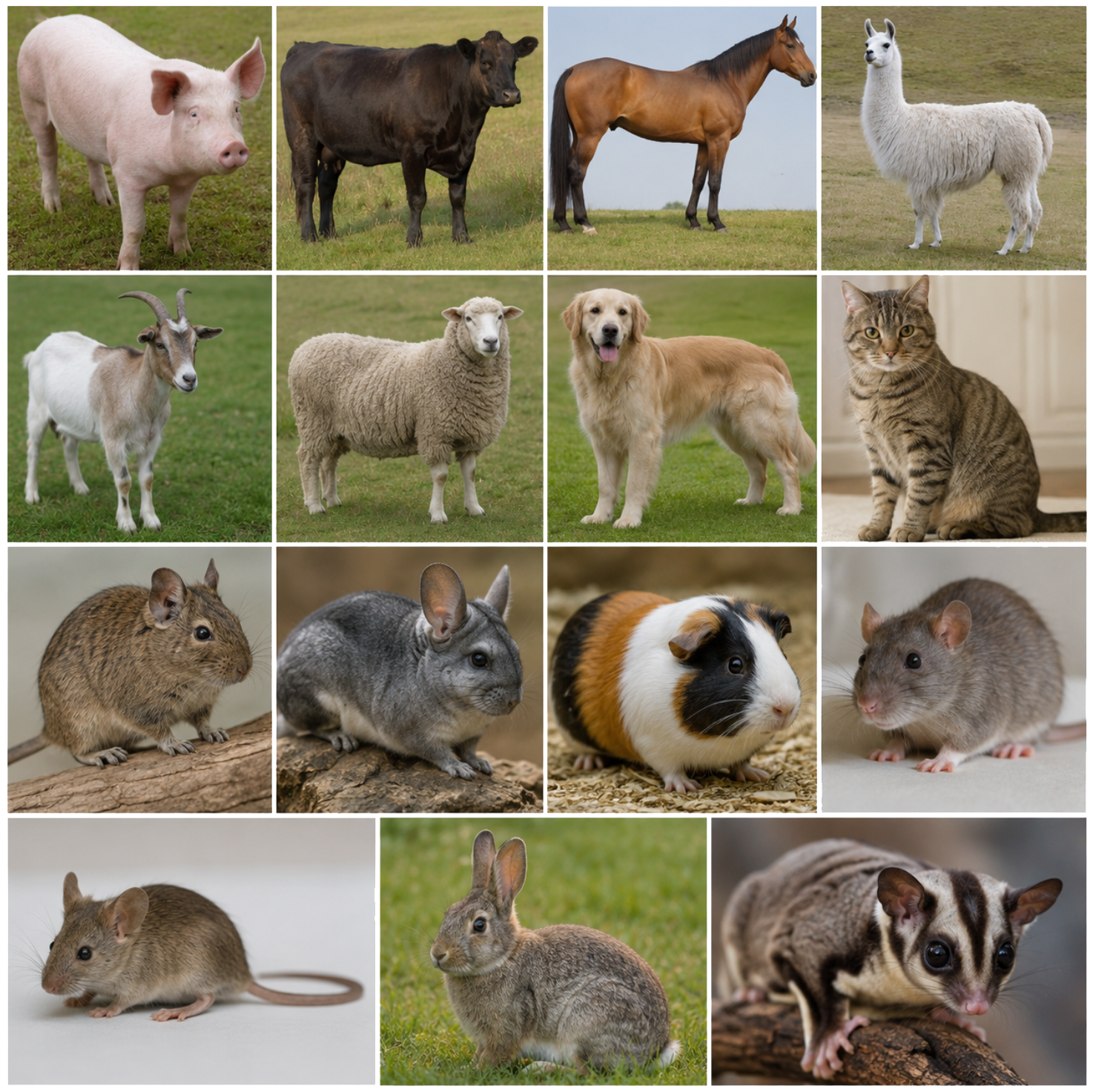
I tried once with a rooster. The surgery worked. The cock-a-doodle-doo continued.
So much for that.
Biology Shapes Behavior. It Doesn’t Fully Explain It.
That rooster is actually the point. Because one of the things medicine across species teaches you is that biology and behavior are not the same thing — even when biology shapes behavior profoundly. The body can change and the behavior follows. The body can also change and the behavior has already carved its own pathway, its own habit, its own operating system that runs with or without the original fuel.
In livestock, castration has been understood for thousands of years. Farmers castrated male animals to reduce aggression, make herds easier to manage, prevent unwanted breeding, and improve meat quality. This was not sentiment. It was observation applied to practice. A bull is not a steer. A boar is not a barrow. A ram is not a wether. Hormones change behavior, and behavior changes what is possible around that animal.
Horses make the point most dramatically. A stallion may be magnificent, but magnificence is not the same as manageable. Geldings exist because most people do not need a breeding animal. They need a safe partner — a horse who can live, travel, work, and interact without every decision being filtered through reproduction and competition.
In cats, castration can feel almost magical. The urine marking decreases. The roaming stops. The frantic edge softens. The tomcat who was half-feral and fully pungent becomes someone you can actually live with.
In dogs, particularly intact males in multi-dog households or in homes with triggers, the removal of testosterone can shift the whole dynamic. Not always. Not automatically. But often enough that it matters.
Why Timing Matters
Here is where it gets more complicated.
Timing matters enormously, and this is where I see the most misunderstanding in clinical practice. If a behavior is strongly hormone-driven and has not been practiced long, castration is likely to help. If the behavior has become learned — rehearsed, reinforced, fear-based, or embedded through years of repetition — surgery may be only one piece of a much larger puzzle.
A dog who has spent five years learning that aggression works does not become gentle simply because testosterone drops. The aggression was hormone-influenced in its origin, but it has since become its own thing — a strategy the animal knows, a pattern that has been rewarded by the disappearance of threats. The biology changed. The learned behavior did not necessarily follow.
Bodies do not work like switches. They work more like weather systems — complex, responsive, shaped by history, and not fully controllable by any single variable.
This is where people get disappointed. They wanted a switch. I understand the disappointment. But telling you otherwise would be a disservice.
What History Tried to Do
The history of castration in humans follows a similar logic — or more precisely, a similar misuse of that logic.
Eunuchs were employed across centuries and empires: in Chinese imperial courts, Ottoman harems, Byzantine administrations, Roman households. Castration was tied to trust, hierarchy, proximity to power, and the elimination of competing dynastic ambition. A man who could not father children was seen as safe in ways an intact man was not.
That is a chilling kind of calculus.
It tells us that humans have understood, for a very long time, the relationship between sex, reproduction, power, and control. Understanding that relationship and using it wisely are entirely different things. Using it to manage other humans is something else again.
The Question Everyone Eventually Asks
And then there is the question that I suspect some of you have been waiting for me to get to.
If testosterone influences aggression, sexual drive, dominance behavior, and risk-taking — and we know from veterinary medicine that removing it can reduce these behaviors in animals — then why not apply the same logic to men who commit sexual violence?
I understand why the mind goes there. I understand it especially as a mother of daughters, and as a woman who moves through a world where female safety is still largely treated as a personal responsibility rather than a collective obligation. Women are told to be careful in how they dress, how they drink, how they walk, how they reject, how they report. Justice systems routinely fail victims who lack money, documentation, stamina, and legal support. The anger that generates a “why not just fix the source” thought is not irrational. It comes from a legitimate place.
But veterinary medicine gives me a different answer than the one that anger might want.
Sexual violence is not primarily a libido problem. It is a power problem. It is entitlement, coercion, opportunity, planning, and access. It is systems that look away. It is perpetrators who assault without erection, without physical arousal, sometimes with objects, sometimes with audience. Chemical or surgical castration can reduce certain drives in certain individuals. It does not reliably remove the desire to dominate, control, humiliate, or harm. It does not remove planning capacity. It does not fix the social systems that enable violence or protect perpetrators.
The Lesson I Learned From a Rooster
And this is the lesson I keep returning to from that rooster.
The hormone was gone. The behavior continued. Because by then, the crowing was no longer just about testosterone. It was what the animal did. It was practiced, patterned, and persistent.
If we decide that one intervention solves the whole problem, we stop looking at the rest of the machinery. That is not a conclusion. That is an exit ramp from hard thinking.
That rooster never did stop crowing. I think about him more than I probably should.
Biology gave him the blueprint. Repetition built the habit. By the time we addressed the biology, the behavior had already moved in and made itself at home.
That is true across every species I have treated. And it is true in the culture we have built around male dominance. Testosterone is real. Its influence is real. But it is not destiny — it is a starting condition. What we do with it, what we permit, what we reward, what we look away from — that is where behavior becomes identity, and identity becomes nearly impossible to surgically correct.
We have been looking away for a long time. The behavior is well rehearsed.
Act earlier. Reinforce less. Expect more.
That is not a surgical recommendation. It is a moral one.

Dr. Melissa Magnuson, DVM
Dr. Melissa Magnuson is the founder of The Conscious Vet and owner of three AAHA-accredited veterinary hospitals in New Hampshire. With 28 years of experience caring for pets and the people who love them, she is passionate about helping pet owners better understand their animals, navigate difficult decisions, and feel more confident about their pet's health and well-being.
Want more stories like this? Subscribe to The Conscious Vet on Substack for weekly essays on pets, veterinary medicine, and the bond between animals and the people who love them.


