
We Eradicated This. Then We Stopped Paying Attention.
Jun 19, 2026Originally published on The Conscious Vet Substack. Subscribe for weekly essays at theconsciousvet.substack.com.
What the return of screwworm tells us about prevention, complacency, and what happens when expertise walks out the door.
There is a particular kind of failure that does not announce itself.
It does not arrive as a sudden crisis. It does not trigger an alarm. It accumulates quietly, in budget line items nobody reads, in retirement parties for specialists nobody replaced, in surveillance programs that got “streamlined,” in institutional knowledge that existed entirely inside the heads of people who are now gone.
And then one day, something that was eradicated comes back.
That is the actual story of New World screwworm returning to the United States in 2026.
The parasite itself is dramatic enough to get headlines. But the parasite is not the real story.
The real story is what we let erode while we were busy assuming victory was permanent.
What Screwworm Actually Is
New World screwworm is a parasitic fly. The adult lays eggs on open wounds or irritated tissue. When the eggs hatch, the larvae do not feed on dead tissue the way most maggots do.
They feed on living flesh.
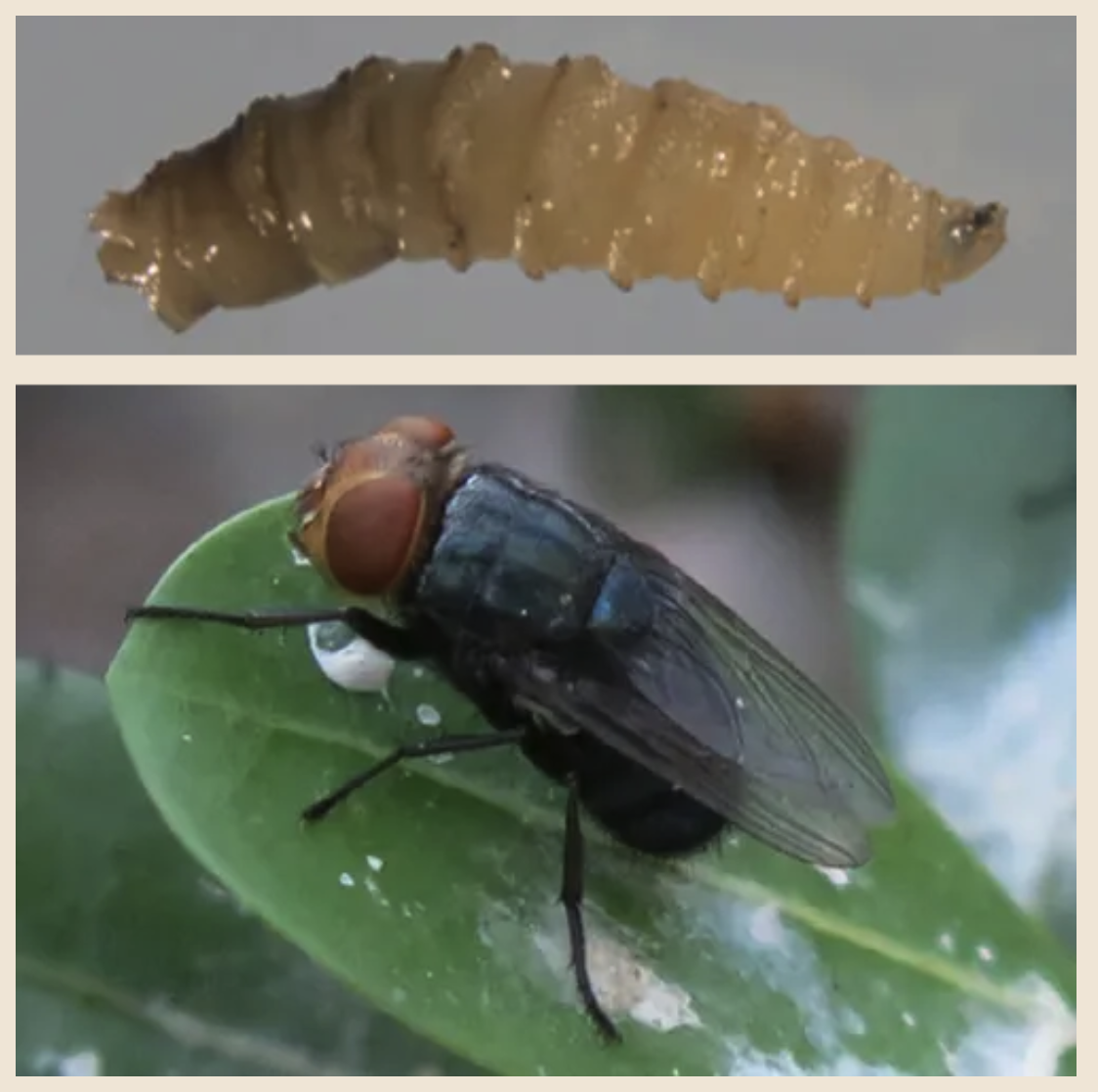
That distinction is why this parasite was treated as a national emergency when it was discovered in the mid-twentieth century, and why its return is being treated seriously now.
It can affect cattle, horses, sheep, goats, wildlife, dogs, cats, and rarely, people. Untreated infestations progress rapidly. Animals deteriorate. Wounds that look manageable become catastrophic.
As of June 2026, USDA APHIS has confirmed at least nine U.S. cases, including Texas livestock and a New Mexico dog. Mexico has halted many U.S. animal imports. Canada has restricted certain imports from Texas. Sterile fly releases and field response work have begun.
Nine cases does not sound like much.
With screwworm, nine cases is the time to act — not the time to wait!
We Beat This Once. It Was Extraordinary.
In the 1950s and 60s, the United States executed one of the most elegant eradication programs in the history of public health.
The sterile insect technique: mass-produce male screwworm flies, sterilize them with radiation, release them into the environment by the millions. Female screwworm flies mate only once. A female who mates with a sterile male produces no offspring. Flood the population with enough sterile males, and over time, the wild population collapses.
It worked.
Screwworm was eliminated from the United States. Then Mexico. Then pushed down through Central America. A permanent sterile fly barrier was established in Panama to keep it from moving north again.
For decades, it held.
The people who built that system, ran it, and understood every nuance of it — the entomologists, the field veterinarians, the program specialists — they retired. Some died. The institutional knowledge thinned.
Why maintain deep expertise in a problem you solved?
That question has an answer now.
What Actually Failed
The flies did not outsmart us.
We outsmarted ourselves.
Several factors contributed to the current situation: increased cattle movement outside sterile fly control zones, reduced federal response capacity, and — this one is worth sitting with — the loss of experienced veterinary entomologists who spent careers understanding exactly this kind of pest.
Think about what that means in practical terms.
When you defund surveillance, you do not eliminate the threat. You eliminate your ability to see it coming.
When you let specialists retire without succession planning, you do not save money. You spend it later, at emergency rates, when the crisis has already arrived.
When you treat eradication as a finished chapter rather than an ongoing maintenance system, you are not managing risk. You are deferring it.
Prevention is invisible when it works. The livestock that did not get infested, the outbreak that did not spread, the containment that held — nobody holds a press conference for those. Nobody gets credit for the disease that did not happen.
So prevention funding gets cut. Expertise gets dispersed. Surveillance gets “right-sized.”
And then something eradicated in the 1960s shows up in Texas in 2026, and everyone acts surprised.
What Pet Owners Need to Know
For most pet owners outside affected agricultural areas, the immediate risk is low.
Low risk is not no risk.
The highest vulnerability right now is livestock, outdoor dogs, working dogs, animals with untreated wounds, and animals in or near affected regions. Wildlife are also at risk and serve as a reservoir that makes containment harder.
Know the signs. In any animal, screwworm infestation looks like:
-
A wound that suddenly worsens or seems far more severe than expected
-
Drainage, foul odor, or visible maggots
-
Swelling, tissue destruction, pain
-
An animal that stops eating, becomes lethargic, or deteriorates rapidly
This is not intestinal worms. Not heartworm. Not a flea or tick disease. Not something your indoor cat picks up off the couch.
It is a wound parasite. It requires an entry point — an open wound, untreated injury, surgical site, bite, or moist irritated tissue.
The most powerful thing you can do is also the simplest: do not ignore wounds. Treat them promptly. If something looks worse than it should, call your veterinarian immediately. Do not wait.
If you are traveling with animals through affected regions, check current USDA APHIS requirements before you go. This is a moving situation and guidance is updating.
The Lesson Hidden Inside the Return
Screwworm is not an isolated story.
It is a case study in what happens when we treat prevention as overhead rather than infrastructure.
Eradication is not a trophy on a shelf. It is a system that requires feeding — surveillance, expertise, funding, international cooperation, and the institutional humility to keep paying attention to problems you already solved.
We know how to do this. We did it before. The sterile insect technique works. The field response tools exist. The science is not the problem.
The problem is the assumption that solved means finished.
It does not.
Every veterinarian, every livestock producer, every public health official who spent their career warning about exactly this kind of gap — they were not being alarmist.
They were doing the math.
Prevention Has a Maintenance Schedule
Prevention is always cheaper than response. The question is whether we are willing to pay for it before the crisis, when it is invisible, rather than after, when it is not.
Screwworm is back.
Not because we lacked the knowledge to prevent it.
Because we stopped acting like prevention required our ongoing attention.
That is the lesson worth taking from this — not just for screwworm, but for every disease we have been lucky enough to push back.
Luck, it turns out, has a maintenance schedule.

Dr. Melissa Magnuson, DVM
Dr. Melissa Magnuson is the founder of The Conscious Vet and owner of three AAHA-accredited veterinary hospitals in New Hampshire. With 28 years of experience caring for pets and the people who love them, she is passionate about helping pet owners better understand their animals, navigate difficult decisions, and feel more confident about their pet's health and well-being.
Frequently Asked Questions
What is New World screwworm?
New World screwworm is a parasitic fly whose larvae feed on the living tissue of warm-blooded animals. Unlike most maggots, which feed on dead or decaying matter, screwworm larvae burrow into and destroy healthy flesh. It can affect cattle, horses, dogs, cats, wildlife, and rarely, people. Untreated infestations progress rapidly and can be fatal.
Is screwworm back in the United States?
Yes. As of June 2026, USDA APHIS has confirmed at least nine U.S. cases, including Texas livestock and a dog in New Mexico. This is an active and developing situation. USDA has begun sterile fly releases and field response work. Mexico has halted many U.S. animal imports and Canada has restricted certain imports from Texas.
How does an animal get screwworm?
The adult fly is attracted to open wounds, moist or irritated tissue, newborn animals’ navels, surgical sites, bite wounds, and skin infections. It lays eggs in or near the wound. The eggs hatch quickly and the larvae burrow into living tissue. An animal needs an entry point — this is a wound parasite, not a contagious disease spread by casual contact.
What are the signs of screwworm in a dog or cat?
Watch for a wound that suddenly worsens or looks far more severe than expected, drainage with a foul odor, visible maggots, swelling, tissue destruction, or an animal that becomes painful, stops eating, or deteriorates rapidly. If you see any of these signs, call your veterinarian immediately. Do not wait.
Is my indoor cat at risk?
The risk to indoor cats with no wounds and no outdoor exposure is extremely low. Screwworm requires an entry point. A healthy indoor cat in New Hampshire is not a likely target. That said, any animal with an untreated wound, even a minor one, in or near an affected region warrants close attention.
Should I be worried about my dog who spends time outside?
Outdoor dogs, working dogs, dogs who travel through affected regions, and dogs with any open wounds or skin conditions deserve closer monitoring right now. Keep wounds clean and treated. If something looks worse than it should, or if you see maggots, contact your veterinarian the same day.
Is this related to heartworm, intestinal worms, or ticks?
No. Screwworm is none of those things. It is not spread by mosquitoes, fleas, or ticks. It is not an intestinal parasite. It is not transmitted through the fecal-oral route. It is a wound fly. The name sounds similar to other parasites but the biology is entirely different.
Is it safe to eat beef?
Yes. The concern surrounding screwworm is animal health, livestock welfare, and agricultural containment — not food safety. This is not a reason to change what you eat.
Why did screwworm come back if we eradicated it?
Eradication is not a permanent condition. It is a maintenance system. When surveillance weakens, federal response capacity shrinks, experienced specialists retire without being replaced, and animal movement increases outside controlled zones, eradicated diseases can find their way back. That is what happened here. The science to prevent it existed. The ongoing institutional commitment to use that science consistently did not hold.
What is being done to stop it?
The primary strategy is the same one that worked in the twentieth century: the sterile insect technique. Sterile male flies are released so wild females mate unsuccessfully, collapsing the population over time. This requires production facilities, trained field teams, surveillance networks, animal movement controls, and international cooperation. It is not fast, but it has worked before. Early containment is critical — waiting until the problem is widespread makes the job exponentially harder.
What should I do right now as a pet owner?
If you are outside affected regions and your pet has no open wounds, monitor the situation and stay informed. If you are in or traveling through affected areas, check current USDA APHIS guidance before moving animals. For any pet anywhere: treat wounds promptly, do not dismiss drainage or odor, and if a wound looks worse than expected or contains maggots, call your veterinarian immediately. Early treatment matters enormously with this parasite.
Where can I find current information?
USDA APHIS updates their screwworm status page regularly at aphis.usda.gov. Your veterinarian is also a reliable source for guidance specific to your region and your animal.
Want more stories like this? Subscribe to The Conscious Vet on Substack for weekly essays on pets, veterinary medicine, and the bond between animals and the people who love them.


