
Who is the Extra Time Really For?
Jun 09, 2026Originally published on The Conscious Vet Substack. Subscribe for weekly essays at theconsciousvet.substack.com.
The Cat Who Stayed a Cat
The oldest cat I ever cared for was named Elvis.
Elvis was twenty-five years old when he died. When he was twenty-two, I performed thyroid surgery on him. Even then, standing over him in the surgical suite, his age felt improbable. He was an outdoor cat who had somehow navigated decades of weather, predators, disease, and chance. He had outlived the expectations placed on him so many times that his owners had stopped being surprised and started being quietly grateful.
That surgery was not a small decision. There are plenty of reasonable arguments against operating on a twenty-two-year-old cat. But Elvis was present. He was engaged. He was still going outside, still hunting with the kind of focused intensity that would have impressed a much younger cat, still returning home on his own schedule with the particular self-satisfaction that cats carry as a matter of principle.
He was not a cat enduring his life. He was a cat living it.
After the surgery, he recovered well. He went home. He continued doing what Elvis did.
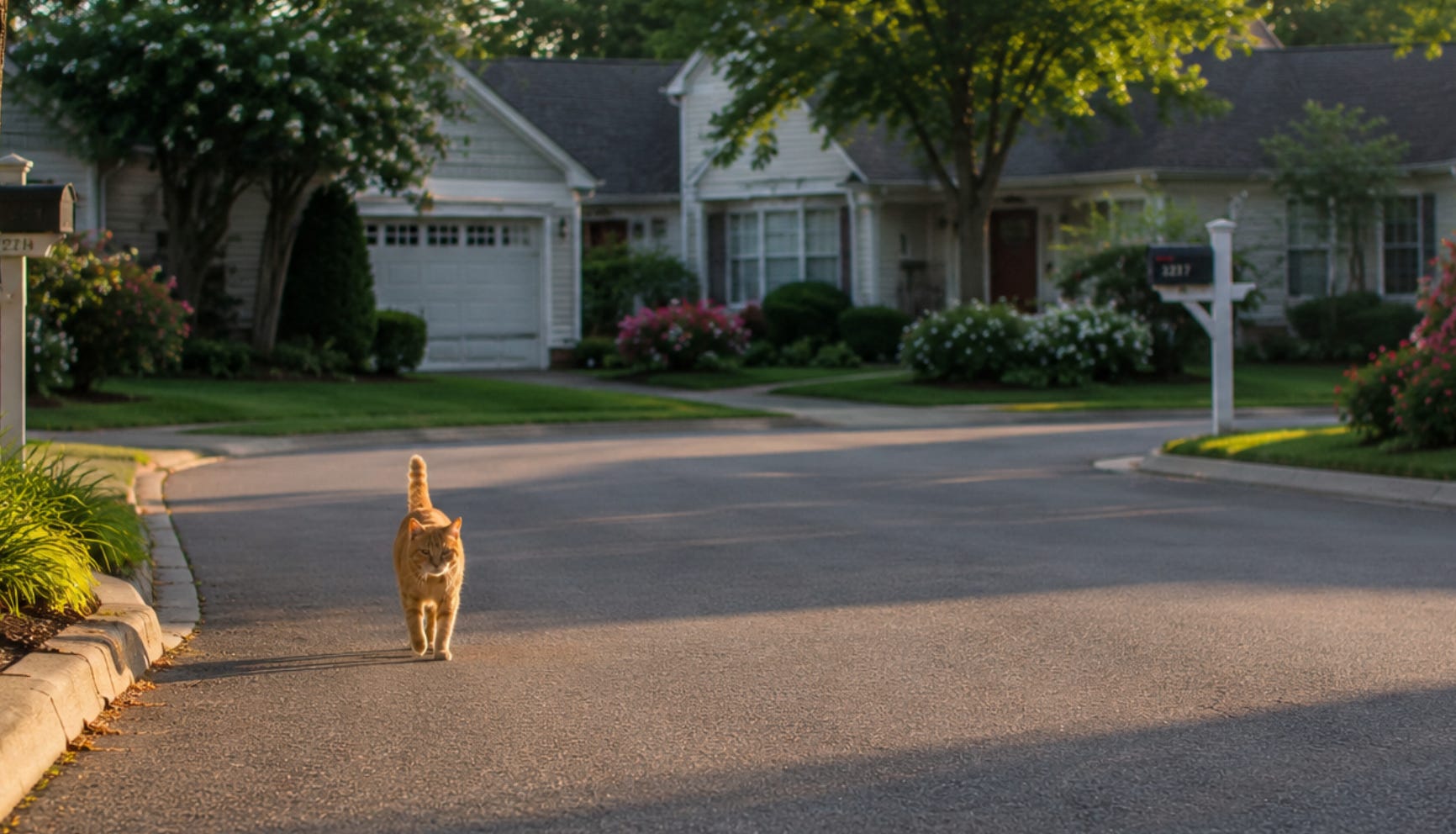
Three years later, when the end finally came, it was quiet. Elvis curled up in front of his house on the cul-de-sac he had traversed a thousand times and passed away on his own terms. No intervention, no emergency, no prolonged decline. He simply stopped.
I have thought about Elvis many times since then. What stays with me is not the surgery, or the age, or even the ending. What stays with me is the standard he set without knowing it.
For almost all of twenty-five years, Elvis was unmistakably a cat.
That, I have come to believe, is the thing worth protecting.
A Dog Who Stayed a Dog
Years later, I met a golden retriever named Gilligan.
Gilligan lived to be twenty-two years old, which borders on unbelievable for a dog of his size. When he was twenty, his owner accidentally ran over him. He had been lying beneath a tire, unnoticed. His leg was badly broken.
Our surgeon repaired the fracture. Gilligan recovered and lived two more years.
His story became something people passed around, the way remarkable animal stories do. But what made Gilligan extraordinary wasn’t the broken leg or the repair or even the age. It was the same thing that made Elvis extraordinary.
He was still, recognizably, a dog.

The Science of Extending Life
Today, those questions are moving from the exam room into biotechnology laboratories.
For decades, humans have been obsessed with extending lifespan. The biohacking movement has transformed aging into a problem to solve. Silicon Valley executives track biomarkers, monitor sleep metrics, optimize diets, and invest enormous resources trying to slow the biological clock. I wear an Oura ring. I’m in it too.
Now that same mindset has crossed the species barrier.
Veterinary biotechnology companies are developing therapies aimed not at treating specific diseases but at targeting aging itself. One of the most closely watched areas involves the insulin-like growth factor-1 pathway, or IGF-1, which helps regulate growth and development. In dogs, especially large-breed dogs, this pathway appears closely connected to lifespan. The very genetics that produce a Great Dane’s size may also contribute to accelerated aging.
Teams associated with the Dog Aging Project are exploring whether modifying these biological pathways could extend healthy years of life. Other researchers are examining drugs such as rapamycin, which may influence cellular aging processes.
The science is genuinely exciting. I follow it closely.
But it is forcing us to confront questions that science alone cannot answer.
The Question Beneath the Science
Most pet owners who wish their animals could live longer are acting from a place of profound love. The grief associated with losing an animal companion is real. Anyone who has sat with a family saying goodbye understands that completely.
As longevity medicine advances, though, we have to ask an uncomfortable question.
Who is the extra time really for?
If a therapy allows a dog to remain healthy, mobile, engaged, and comfortable for additional years, that is remarkable. That is worth pursuing.
But extending chronological age and extending quality of life are not the same thing. A beating heart is not the same thing as a meaningful life.
Animals do not experience life as a spreadsheet of biomarkers. They experience it through movement, curiosity, comfort, relationships, play, scent, and rest. A cat’s life is measured in sunbeams and familiar routines. A dog’s life is measured in walks, games, and the specific joy of greeting someone at the door.
The longevity industry tends to frame aging as an enemy. The message, subtle but consistent, is that if aging can be delayed, death becomes a technical problem awaiting a technical solution.
Every veterinarian I know understands that biology is more complicated than that.
Preserving Life or Preserving Living
Owners sometimes pursue every available intervention because stopping feels like giving up. I understand that impulse completely. I have felt versions of it myself.
But in human medicine and veterinary medicine alike, we see what happens when families struggle to distinguish between preserving life and preserving living. The result can be prolonged suffering, unrealistic expectations, and impossible emotional burdens placed on patients and caregivers both.
Veterinary medicine has traditionally approached this differently. Our goal has never been immortality. It has been welfare. That principle should not change simply because the science becomes more sophisticated.
The arrival of longevity therapeutics doesn’t eliminate our ethical responsibility. It increases it.
What Conscious Longevity Means
Over the years, this has changed how I talk with clients.
I find myself asking about engagement more than I ask about lifespan.
Is your dog still interested in the world? Does your cat still seek out the things they’ve always loved? Are they comfortable? Are they experiencing pleasure more often than distress?
If a future medication can help preserve those experiences, I will be enthusiastic about it.
If it merely extends existence without preserving vitality, my enthusiasm becomes more cautious.
What I think of as conscious longevity means supporting metabolic health, encouraging movement, prioritizing nutrition, protecting social bonds, preventing disease when possible, and using pharmaceuticals thoughtfully when they genuinely improve quality of life. It means remembering that a longer life is only valuable if it remains recognizably life.
What We Really Mean by Forever
They give us companionship, purpose, comfort, and joy. In return, we owe them stewardship. Sometimes stewardship means pursuing treatment. Sometimes it means accepting limits. And sometimes it means recognizing that love is not measured by how fiercely we resist endings, but by how faithfully we protect quality of life while we are here.
When people tell me they want their pet to live forever, I don’t think that’s actually true.
No one wants their cat to outlive them. No one wants their dog wandering a world they’re no longer in. The math of forever, if you actually run it, is not comforting.
What people mean when they say forever is something else entirely. They mean they don’t want to come home to that particular emptiness. They mean they don’t want to feel the grief they can already sense waiting for them. They want to be spared their own suffering. And that is such a human thing to want that I can’t fault anyone for it.
But it is worth naming honestly. Because when we confuse our own suffering with our animal’s welfare, we stop making decisions for them.
I think about Elvis often, more than any other patient I’ve had.
He did not become extraordinary by living a long time. He became extraordinary because, right up until he curled up in that cul-de-sac and decided he was done, he was completely, entirely himself.
As the science of longevity advances and the questions get harder, I keep coming back to that.
Forever was never the right word. What we really meant was — not yet. Not today. A little more time being exactly this.
That, I understand completely.

Dr. Melissa Magnuson, DVM
Dr. Melissa Magnuson is the founder of The Conscious Vet and owner of three AAHA-accredited veterinary hospitals in New Hampshire. With 28 years of experience caring for pets and the people who love them, she is passionate about helping pet owners better understand their animals, navigate difficult decisions, and feel more confident about their pet's health and well-being.
Want more stories like this? Subscribe to The Conscious Vet on Substack for weekly essays on pets, veterinary medicine, and the bond between animals and the people who love them.


