The Stories Humans Tell About Mistakes | How Veterinarians Carry Mistakes
Jul 14, 2026Charlotte was a six-year-old pug with kind eyes and a femur that was slowly failing her.
She came to surgery healthy otherwise. Everything about the procedure was routine. We anesthetized her carefully, positioned her meticulously, and prepped her the way we always do when we know precision matters. I had done this surgery before. I knew the anatomy. I knew the steps.
I dissected down to the head of the femur and prepared to rotate the leg to disarticulate the joint so I could remove the diseased portion of bone.
And then, in a split second, everything changed.
Blood shot upward hard enough to hit the surgical light above me. The surgical field filled instantly. For a moment, I didn’t understand what I was looking at. It was one of those moments in medicine where your brain briefly refuses to process what your eyes are seeing.
Then instinct takes over.
Clamp. Pressure. More clamps. Find the source. Stop the bleeding.
I clamped anything and everything I could to save her life. Eventually, the bleeding stopped. The room quieted again. I could breathe.
But medicine has moments where survival is only the first question.
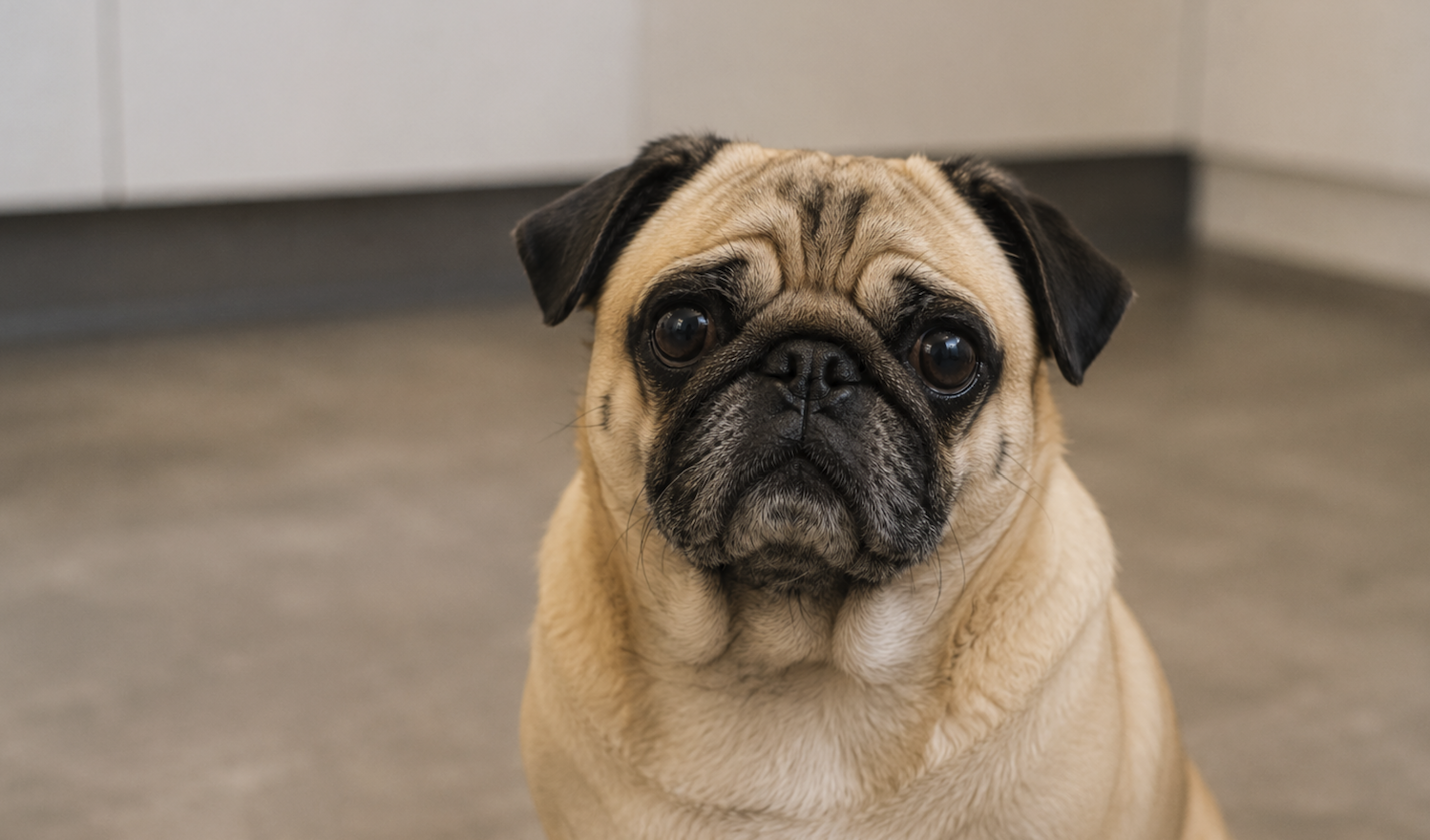
Charlotte lived. She recovered from anesthesia. But afterward, her leg dangled beneath her. In the chaos of trying to save her, muscles and vessels had been damaged. I didn’t know whether she would regain use of the limb.
The surgery was over, but the real suffering had just begun inside my own head.
The Drive Home
If you have practiced veterinary medicine for any length of time, you know exactly what happened next.
I replayed every second repeatedly. What did I miss? What did I do wrong? Could I have prevented it? Was there something obvious I should have known?
I posted the case on a surgical rounds board, hoping someone could explain what had happened. A board-certified surgeon from the University of Tennessee reached out and asked to call me directly.
I was terrified to answer the phone.
I was certain he was going to tell me I had made some catastrophic error. I braced myself for criticism before he even spoke.
Instead, he asked me how I managed to stop the bleeding.
Then he told me he had experienced the exact same complication during the same surgery on a pug.
His patient died on the table.
I remember feeling relief and grief at the same time. Relief that I was not uniquely incompetent. Grief that medicine can still humble even the most experienced among us.
Charlotte’s case stayed with me for years. Technically, yes, I learned from it. I became more cautious. More aware. More prepared for anatomical surprises in brachycephalic breeds. But emotionally, I carried it like a verdict against myself for a very long time.
The Weight Veterinarians Carry
In veterinary medicine, mistakes and complications are inevitable if you practice long enough. That reality is uncomfortable for people outside the profession because they want certainty from medicine. Truthfully, veterinarians want certainty too. We pursue it relentlessly. We study for years trying to reduce risk, improve outcomes, and prevent suffering.
But living bodies are not machines. Anatomy varies. Disease changes tissues. Reactions happen. Emergencies unfold without warning.
And when something goes wrong, veterinarians rarely shrug it off.
Most of us replay those moments endlessly.
We remember the patient’s name years later. We remember the owner’s face. We remember exactly where we were standing when things shifted. We remember the sound in the room. The silence afterward. The drive home.
We take one painful moment and build an entire identity around it. One mistake becomes proof that we are careless. One bad outcome becomes evidence that we are inadequate. We don’t just revisit the event to learn from it. We relive it emotionally over and over again, as if repeated suffering might somehow undo what happened.
That doesn’t mean veterinarians are above accountability. We absolutely should learn from complications, seek mentorship, improve our skills, and examine our decisions honestly. Medicine demands that.
But there is a difference between reflection and self-punishment.
Failure Without Shame
Animals do something very different.
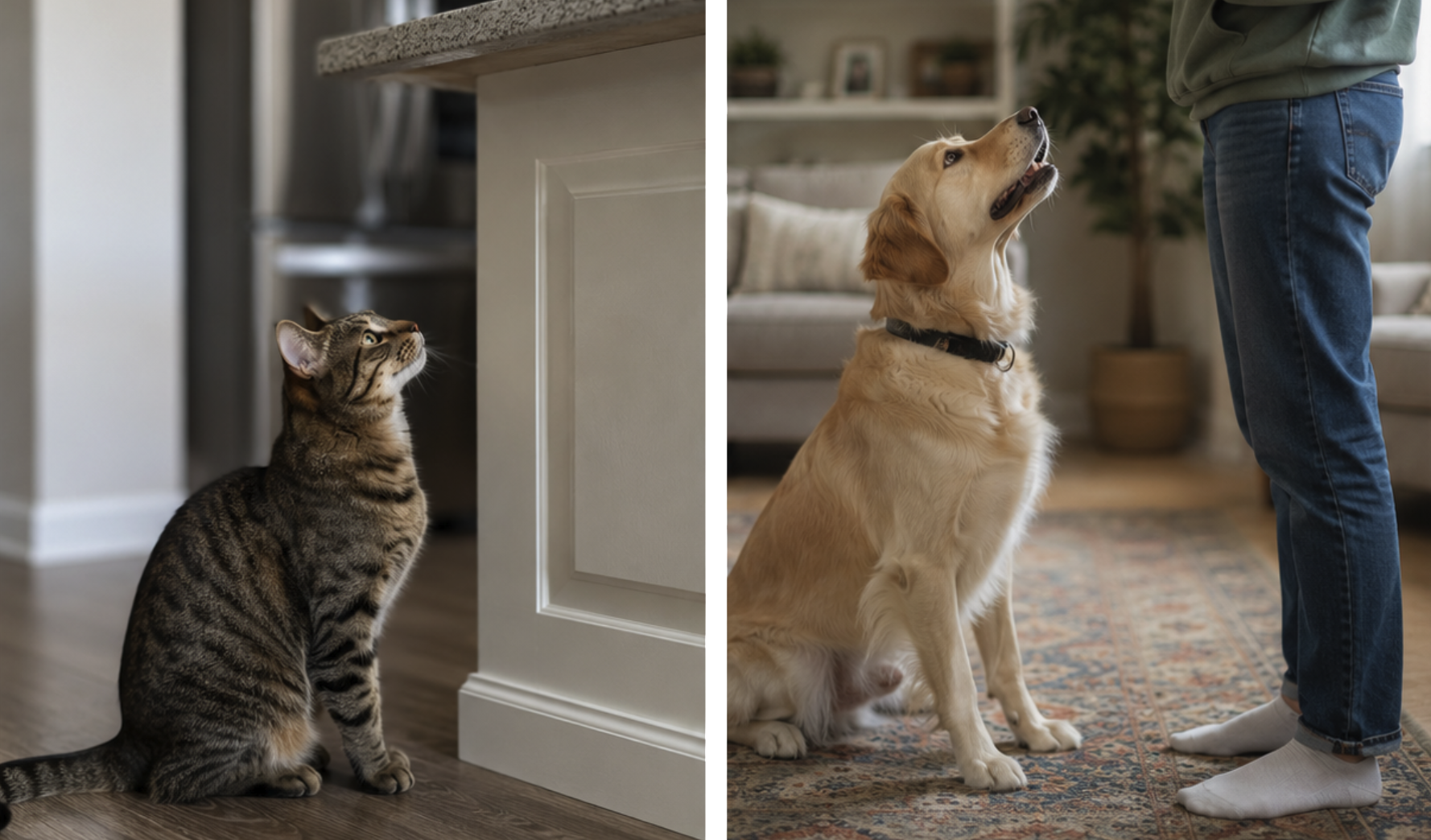
A cat misjudges a jump onto the countertop and falls. It regroups, recalculates, and approaches differently next time. It does not disappear into another room humiliated by its failure. It does not spend the afternoon wondering if the other cats witnessed it.
Dogs learning commands are equally revealing. Teaching a dog to sit can be almost comical. You say “sit,” and maybe they stare at you blankly. Maybe they jump instead. Maybe they spin in circles because they genuinely have no idea what you’re asking.
You repeat it. You guide them. You reward the effort. Eventually, they understand.
At no point does the dog stop mid-training to emotionally spiral.
They don’t call their dog friends afterward and say, “I learned sit today and I was terrible at it. It took me fifteen tries. I’m honestly questioning who I am as a dog.”
Animals learn through repetition, adjustment, and movement forward.
Humans often learn through shame.
That difference matters more than we realize.
Letting a Moment Remain a Moment
Charlotte’s surgery changed how I practice medicine, but not only in the technical sense. It changed the conversations I have with clients. I talk more openly now about uncertainty and risk. I understand more deeply how vulnerable trust really is.
I also recognize how dangerous perfectionism can become in medicine when it turns every difficult outcome into personal condemnation.
There is a strange loneliness in carrying mistakes long after everyone else has moved on.
If you are carrying a case right now — a complication, a missed diagnosis, a conversation that went wrong — remember the animals you treat.
A cat falls, recalibrates, and jumps again.
A dog misses the cue, tries again, and wags anyway.
Humans, meanwhile, can turn one painful moment into a permanent story about ourselves.
Maybe growth is not becoming a veterinarian who never makes mistakes.
Maybe growth is learning how to let a moment remain a moment instead of turning it into an identity.

Dr. Melissa Magnuson, DVM
Founder of The Conscious Vet and Conscious Vet Pro, owner of three AAHA-accredited hospitals in New Hampshire, and creator of the Conscious Care™ system. A Director of AAHA and AVMA speaker, she has spent 28 years in practice mentoring more than 30 veterinarians and currently works directly with 17 vets on clinical decision-making, exam room communication, and leadership.
Want the toolkit that helps you show up with more clarity and confidence in the exam room?
Get The Overwhelm Exit