
Age Is Not a Disease: What I Learned From My Own Dog
Mar 13, 2026Lessons Across Species Series
Originally published on The Conscious Vet Substack. Subscribe for weekly essays at theconsciousvet.substack.com.
One dog, one moment
I spend thirty to forty hours a week in exam rooms. Over the years, there is one sentence that reliably makes my shoulders tighten.
“Well… he’s 15. He’s probably just too old to do anything.”
The blank at the end changes. Too old for surgery. Too old for anesthesia. Too old to investigate the problem. Too old to fix it.
I understand where the thought comes from. Age feels fragile. We don’t want to push our luck. We don’t want to be the reason something happens.
But the moment that forced me to rethink this idea didn’t come from a client.
It came from my own dog.
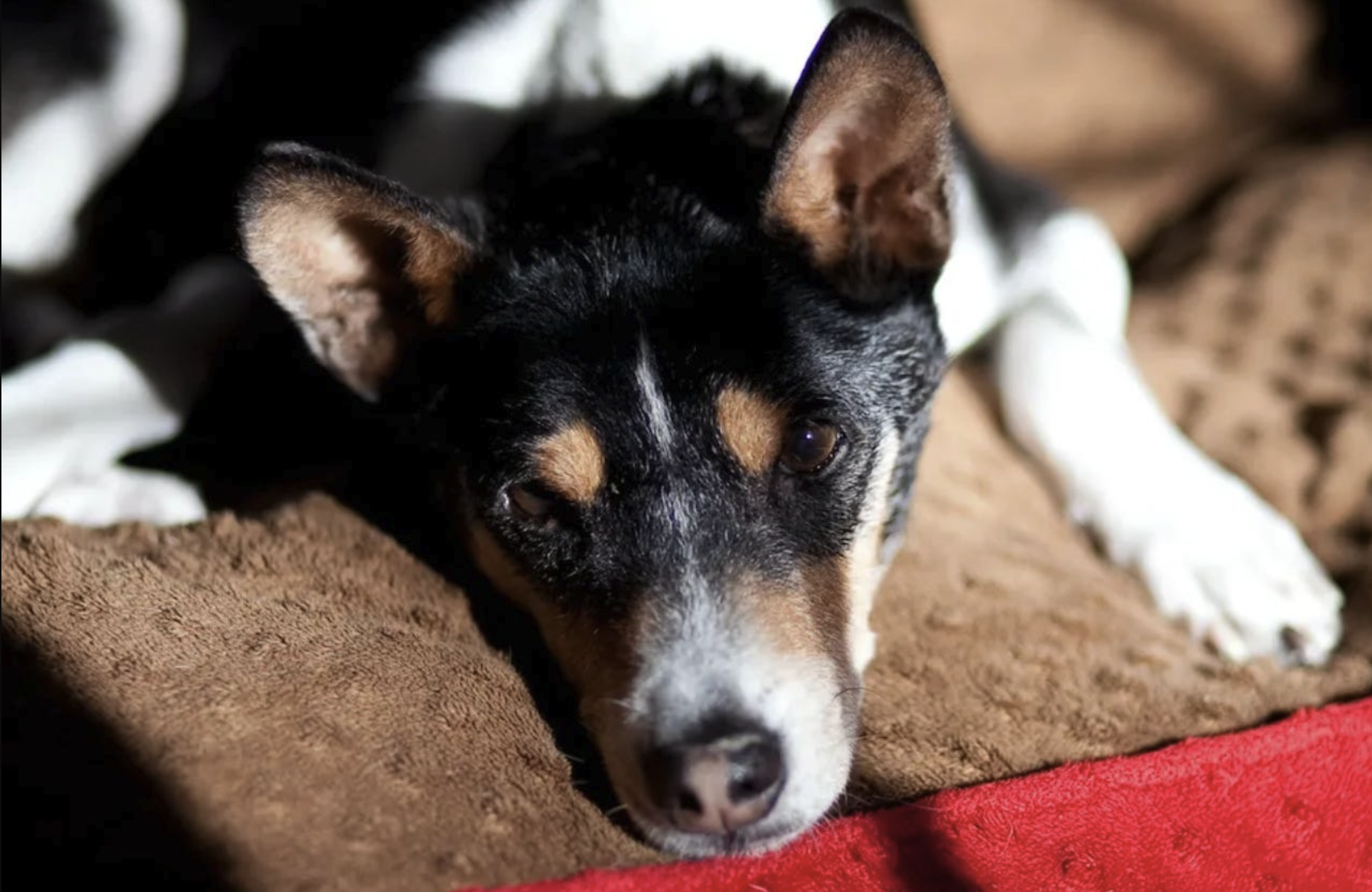
Toby lived a long life. For most of that life, he had routine dental care under anesthesia. In veterinary medicine we call this a COHAT—Comprehensive Oral Health Assessment and Treatment. It means we anesthetize the patient so we can clean the teeth, take dental radiographs, examine every surface, and treat disease if we find it.
Year after year, Toby had his dental procedures. Until he turned 17.
At that point, I hesitated.
Seventeen sounded old. Even to a veterinarian.
So I told myself the same thing I hear in exam rooms every week: he’s probably too old.
And I stopped.
For three years.
During those three years, Toby’s mouth quietly became a problem. The smell eventually told the story before the exam ever did. If you’ve ever smelled a truly infected mouth, you know it’s not just “bad breath.” It’s the smell of bacteria, gum infection, bone infection, and sometimes an abscess hiding below the surface.
By the time Toby was 19, you could barely sit in the same room with him.
That smell wasn’t age.
That smell was disease.
Another species: the same pattern
A few years later, a cat named Jellybean came into the clinic.
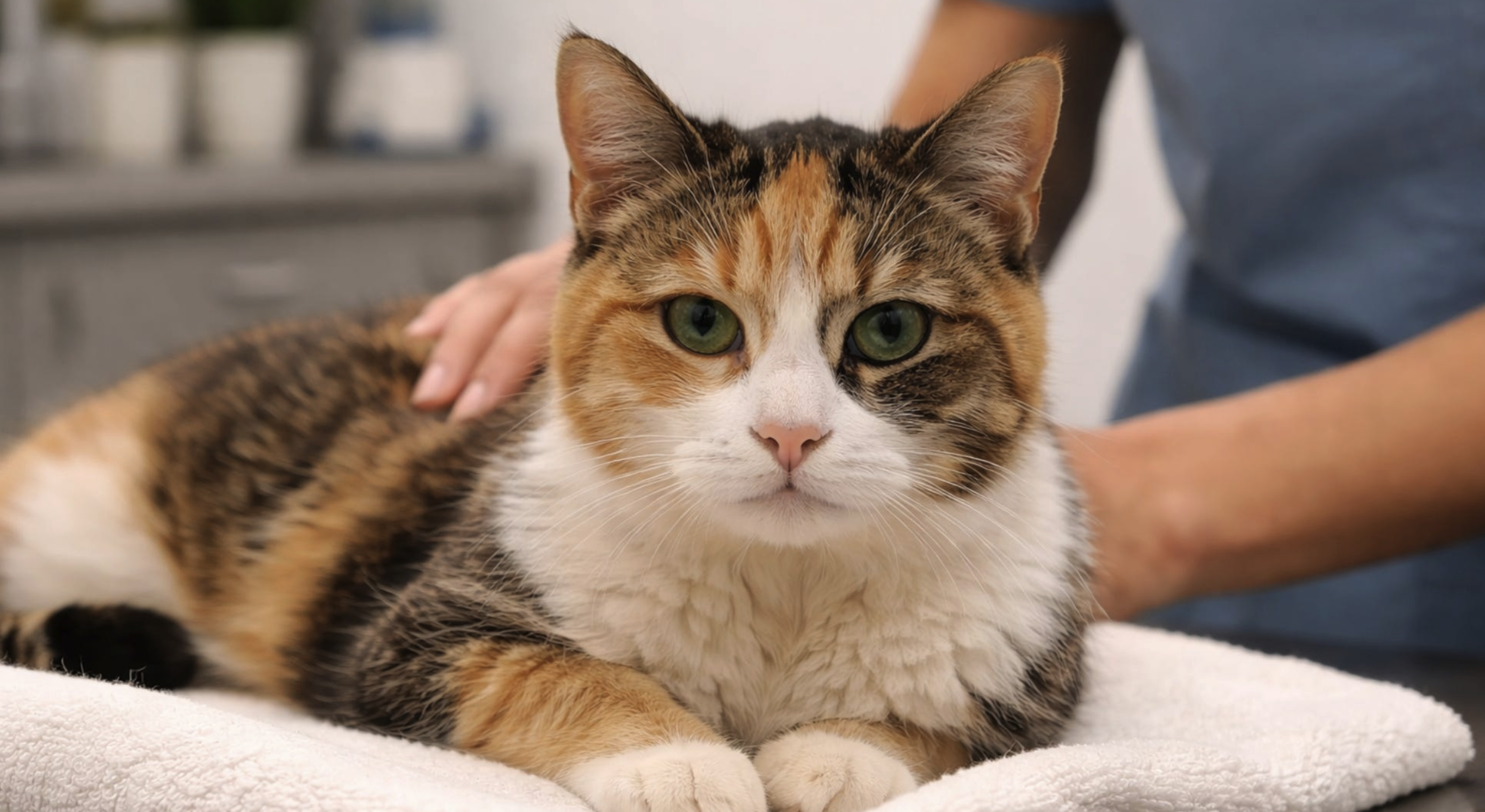
Jellybean was a 22-year-old peach-faced calico cat who had been slowly losing weight. Her owner had done the right things. We ran bloodwork. We checked her organs. Her kidneys, liver, and thyroid were all functioning normally.
On paper, Jellybean looked remarkably stable for a 22-year-old cat.
But her mouth told a different story.
Her teeth were covered in tartar. Her gums were inflamed. The smell was unmistakable.
The owner was terrified of anesthesia. Not because of anything in Jellybean’s medical tests, but because of the number attached to her birthday.
Twenty-two sounded impossible.
After a full workup and careful anesthetic plan, we moved forward with a dental procedure. Her owner sat in the lobby the entire day waiting.
Jellybean came through beautifully.
And something changed afterward.
Her owner later told me Jellybean started jumping on the counters again—something she hadn’t done in years. She ate better. She moved better. She seemed lighter in her body.
Jellybean lived another six months.
Her owner told me those were the best six months she had seen in the last six years.
Not because we extended life dramatically.
But because we removed pain.
The pattern
Here is the pattern I see across species—in dogs, in cats, and even in humans.
We confuse age with disease.
Age is a description.
Disease is a malfunction.
“Seventeen years old” is a fact.
An abscessed tooth is a medical problem.
When we collapse those two things together, suffering gets normalized. Pain becomes something we quietly accept instead of investigate.
The phrase I wish more people understood is simple:
Age is not a disease.
Why this misunderstanding matters
Dental disease is one of the clearest examples.
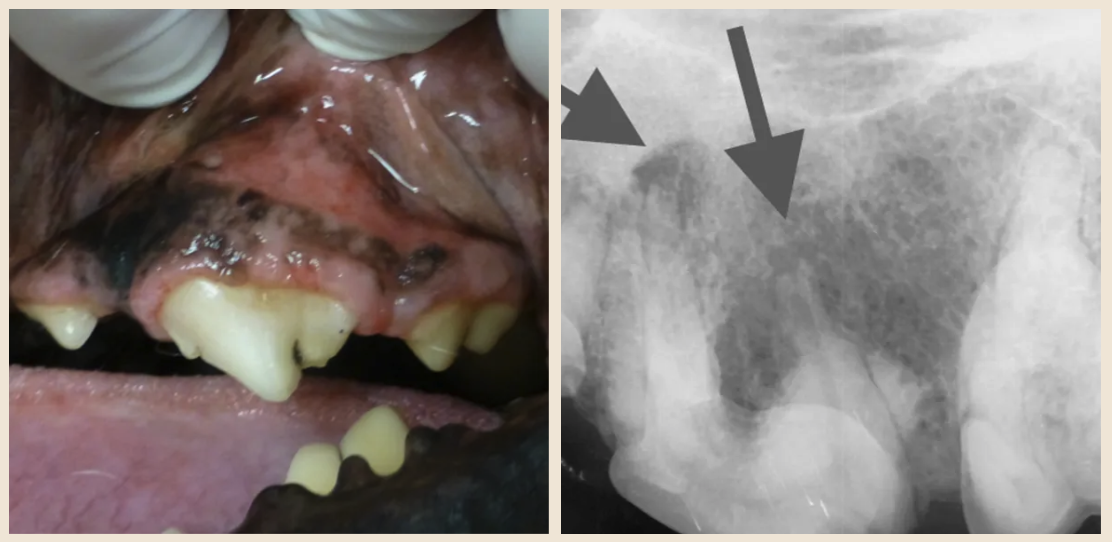
A painful tooth infection doesn’t just stay in the mouth. It affects appetite, grooming, energy, and sometimes the heart and kidneys. Bacteria from severe dental disease circulate through the bloodstream. Chronic inflammation spreads far beyond the gums.
Humans understand this instinctively. If a 90-year-old person has an abscessed tooth, we don’t say, “Well, you’re 90. You’re too old to fix it.”
Imagine telling someone they must live with tooth pain for the rest of their life simply because they have lived a long time.
And yet in veterinary medicine, I hear a version of this every week.
The tragedy is that pets cannot explain what hurts. They can’t say, “My tooth throbs when I chew,” or “This side of my mouth feels infected.”
They adapt. They eat differently. They hide the pain.
Which means we have to look for the disease they cannot describe.
How this changed my practice
Eventually I faced the same decision with Toby that I had avoided for three years.
Before anesthesia, we did what we always do.
A full physical exam.
Heart evaluation.
Comprehensive bloodwork including a CBC, chemistry panel, and thyroid testing.
Chest radiographs to evaluate the heart and lungs.
Toby passed every test.
So at 19 years old, we anesthetized him using short-acting medications and a carefully tailored anesthetic plan.
What we found was exactly what the smell had been telling us.
An abscessed tooth.
We removed the tooth, cleaned and polished the rest, and evaluated every surface with dental radiographs.
Toby recovered beautifully.
Within days he seemed like a different dog. His appetite improved. His coat became softer and cleaner—because he was no longer licking an infected mouth and spreading bacteria through his fur.
He had a lightness to him again.
And I carried a quiet regret.
I had let my fear of a number delay care for three years.
What I wish every pet owner understood
Our pets rely on us for everything.
They cannot tell us when their mouth hurts. They cannot describe the pressure of an abscess or the ache of a fractured tooth.
Sometimes the only clue is smell.
Sometimes the only clue is subtle changes in behavior.
And sometimes the answer only appears when we look deeper. Dental radiographs often reveal disease we cannot see from the surface. I once took dental X-rays of a two-year-old Maltese named Penelope who came in for not eating well. She wouldn’t allow us to examine her mouth awake.
Under anesthesia we took radiographs.
Every single tooth—42 of them—had fractures beneath the crown.
None of that was visible without imaging.
Animals cannot narrate their pain. Medicine requires us to search for it.
Which is why routine exams, proper dental care, and thorough diagnostics matter so much.
A different way to see aging
Aging is real. Bodies change. Risk calculations change.
But aging does not automatically mean we stop helping.
Across species—dogs, cats, and humans—the question that matters most is not “How old are they?”
It’s a quieter question.
Is something hurting that we still have the ability to treat?
Because sometimes the difference between a tired old animal and a vibrant one isn’t age at all.
Sometimes it’s a single infected tooth we haven’t looked for yet.
And sometimes the lesson arrives from the patient who lived in your own house.

Dr. Melissa Magnuson, DVM
Dr. Melissa Magnuson is the founder of The Conscious Vet and owner of three AAHA-accredited veterinary hospitals in New Hampshire. With 28 years of experience caring for pets and the people who love them, she is passionate about helping pet owners better understand their animals, navigate difficult decisions, and feel more confident about their pet's health and well-being.
Want more stories like this? Subscribe to The Conscious Vet on Substack for weekly essays on pets, veterinary medicine, and the bond between animals and the people who love them.


